Practical guides for HOA and condo boards across Maryland and the Mid-Atlantic. Reserve studies, switching management, governance mechanics, Maryland HOA law, and the operational systems that work in practice.

New directors inherit a binder and no manual. The full sequence under Maryland law: the four meeting types, the eight topics that justify a closed session, notice and quorum, and minutes that protect the board instead of exposing it.

Maryland HOA law starts with Title 11B, the Homeowners Association Act. The practitioner’s translation: what the Act requires your board to do, which rules will not hold up, whether your association registers anywhere, and where county rules add a layer.
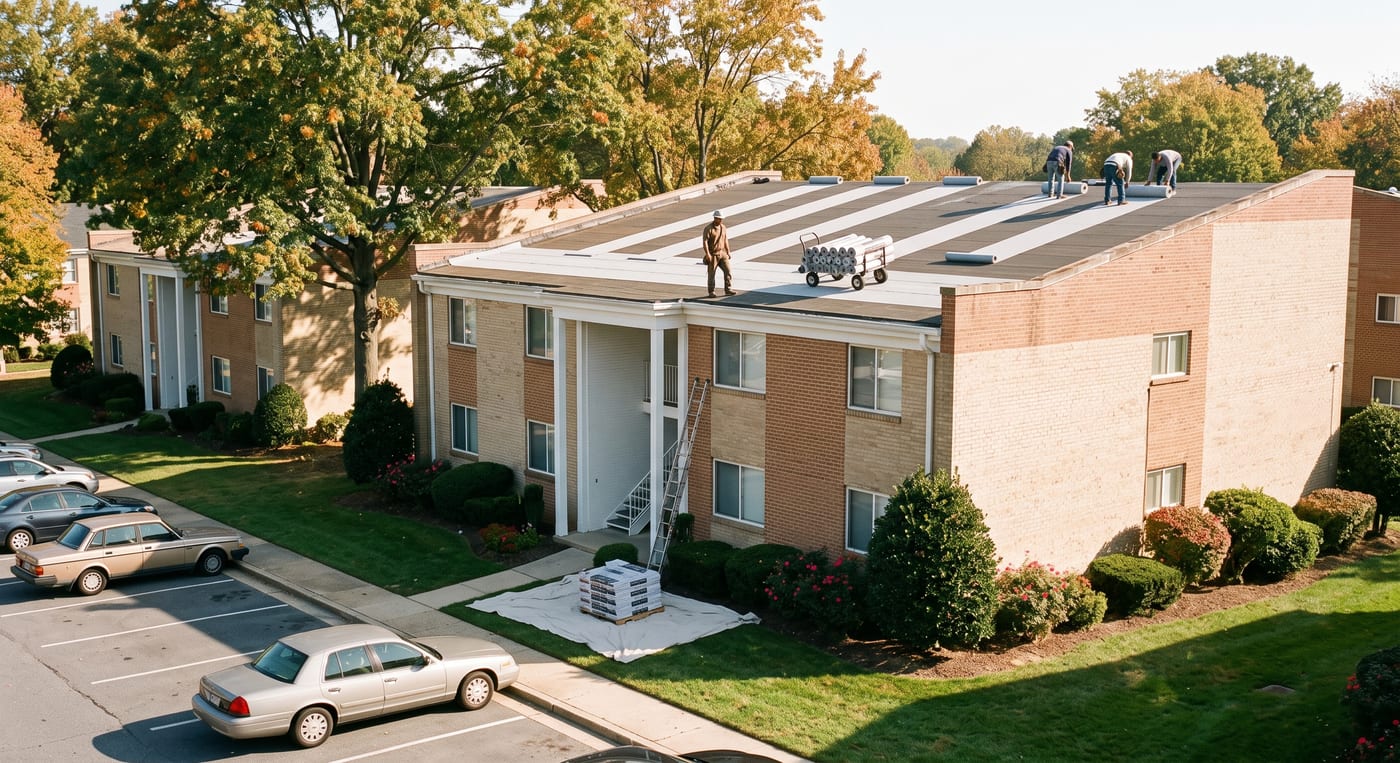
A special assessment is almost always a planning gap that opened years earlier. Here is what triggers an HOA special assessment, what Maryland’s 15% rule and reserve funding law actually require, and the habits that prevent the next one.
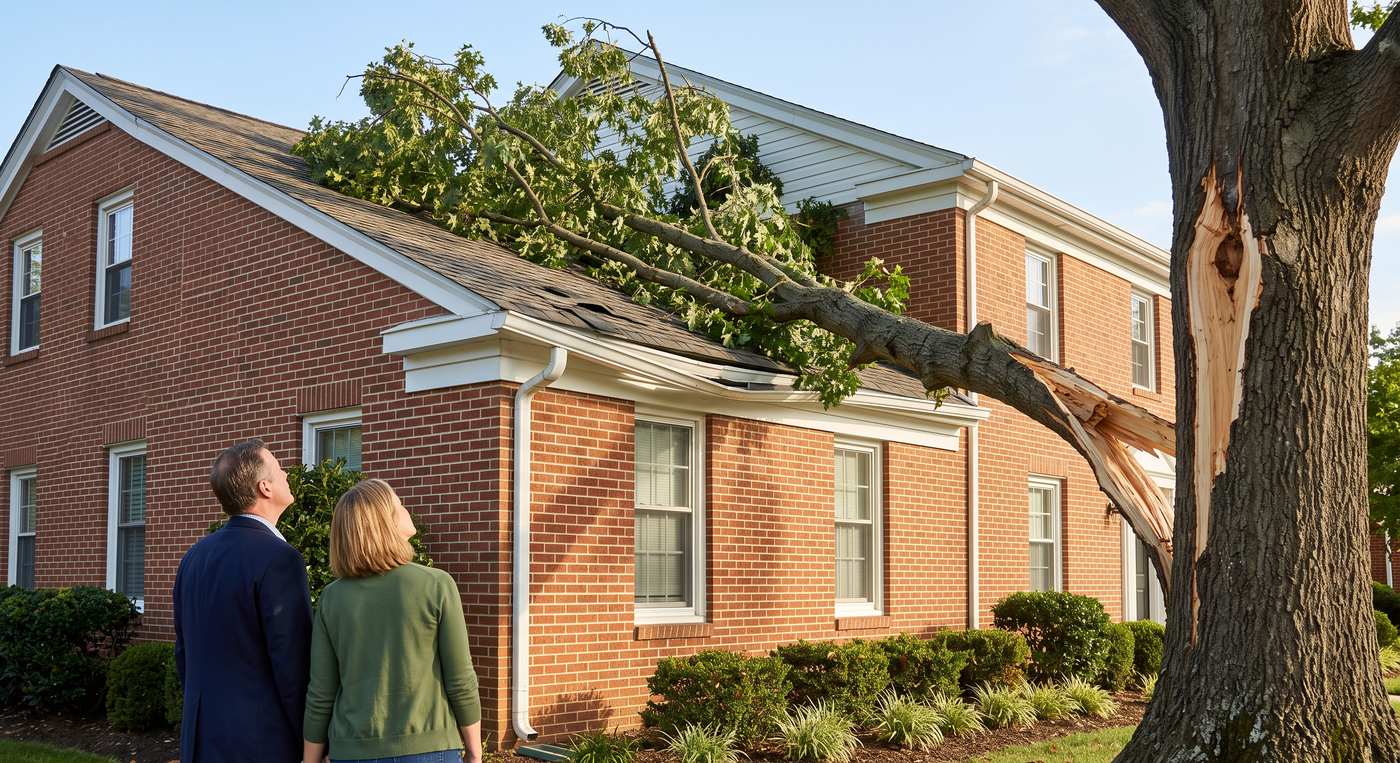
Most boards learn how HOA insurance works during a claim, the worst time to find out. What your association must carry, how master policies split responsibility with owners, what Maryland law requires now and in 2027, and the gaps that cause uncovered losses.
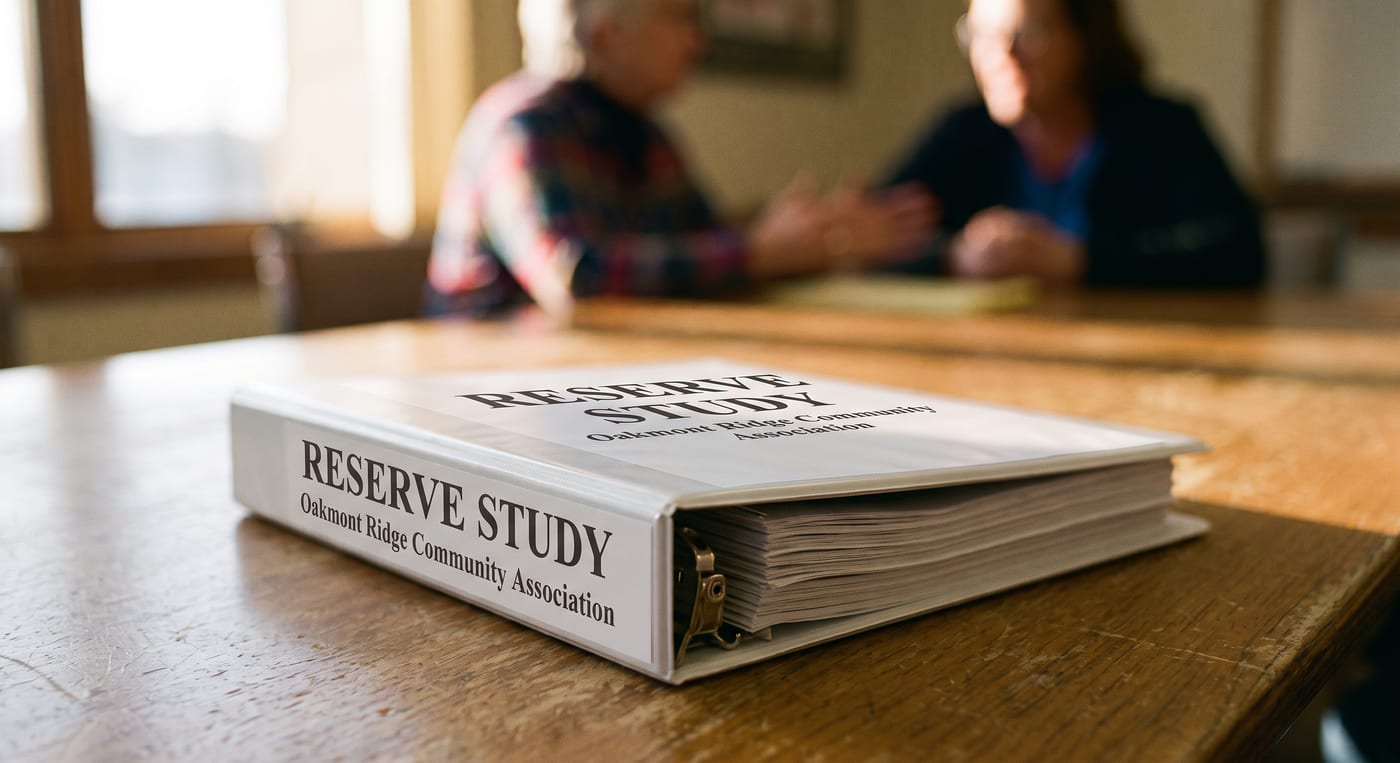
An HOA reserve study turns “are our reserves okay?” into a number. What the study covers, how percent funded works, what reserves can and cannot pay for, and what Maryland now requires — the five-year ramp and the borrowing rule included.
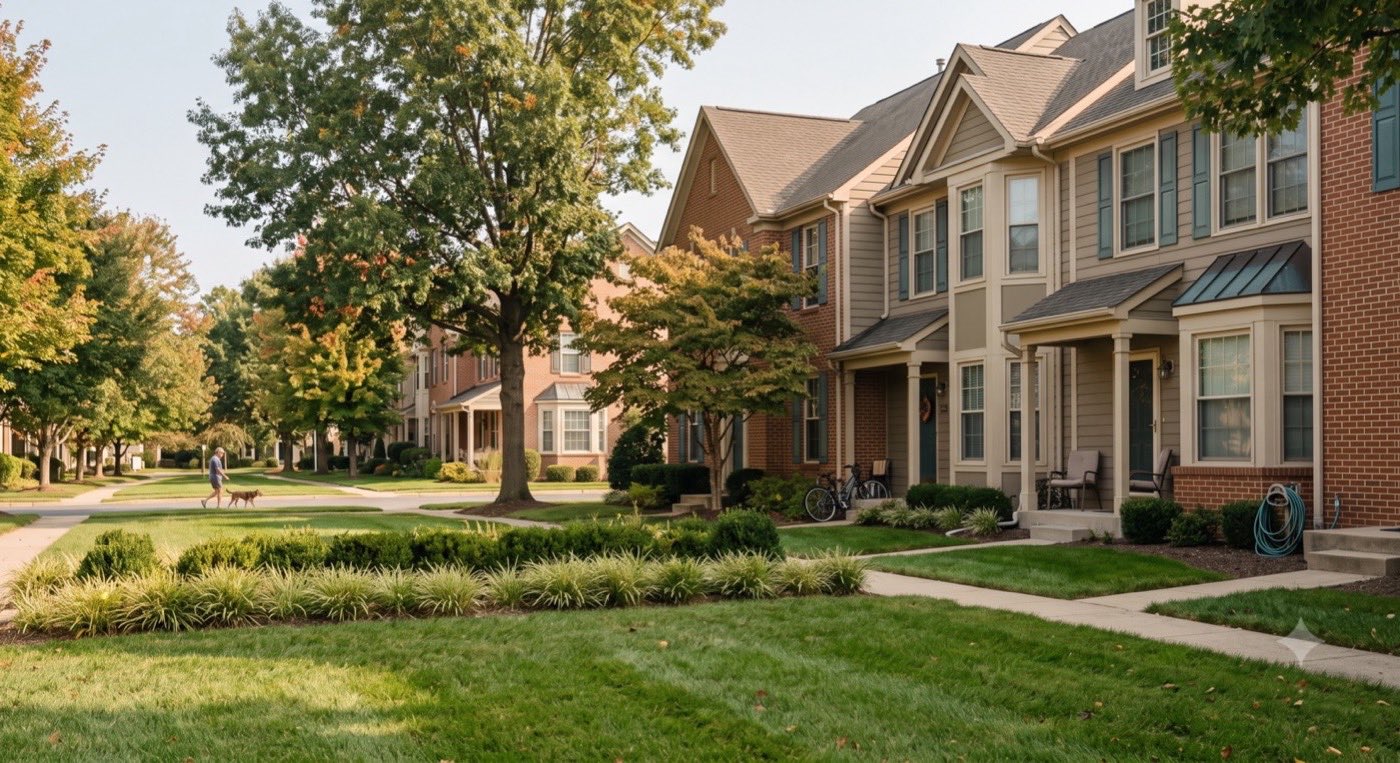
An HOA fee covers insurance, upkeep, and the reserves that pay for future repairs — but who decides the amount, and why does it keep going up? A plain-English guide to what HOA fees fund and how boards set them.